
Accountable to God for the Covenant
Accountable to God for the Covenant
Scripture: Joshua 8:30-35, Deuteronomy 27-30
OUTLINE
A. The Blood of the Covenant (Jos 8:30-31, Deut 27:5-7)
□ I will meditate on Jesus, my peace offering with God “having been justified by faith, we have peace with God thru our Lord Jesus Christ” (Rom 5:1).
B. The Words of the Covenant (Jos 8:32-33a, Deut 27:4,8)
□ This week, I will take plaster or paper and write out a verse or passage of Scripture that God is working into my heart in this season.
C. The Blessing & the Curse of the Covenant (Jos 8:33b-35, Deut 27:11-28:14)
□ I will take the warning from old covenant Israel not to neglect so great a salvation as I have received in Christ (Heb 2:1-4).
Synopsis
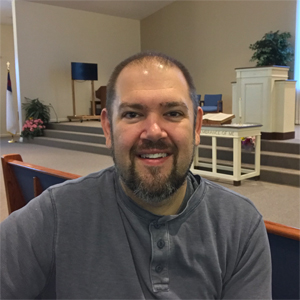
This sermon focuses on Israel’s covenant renewal in Joshua, emphasizing not just remembrance but personal accountability to God’s Word. Pastor Tim explains that as Israel gathered between Mount Gerizim and Mount Ebal, they publicly rehearsed the blessings for obedience and the curses for disobedience found in Deuteronomy. This dramatic call-and-response moment reinforced that every individual—men, women, children, and sojourners—was responsible for what they had heard from God. The act of writing the law on stone and reading it aloud highlighted the seriousness of knowing and obeying God’s commands.
The sacrifices offered—burnt offerings and peace offerings—pointed to both forgiveness and fellowship with God. Pastor Tim connects these Old Testament practices to the New Testament, explaining that they foreshadow the ultimate sacrifice of Jesus Christ. Unlike the repeated sacrifices of animals, Jesus’ death provides permanent forgiveness and peace with God. Believers today are part of a new covenant, inaugurated by Christ’s blood, and are accountable not to the old law but to the gospel.
A key distinction is made between the old and new covenants: while Israel faced both blessings and curses, Christians live under a covenant of grace where Christ has already borne the curse. Therefore, believers are not condemned but are still called to live obedient, holy lives. Salvation is by grace, not works, yet it produces a life of good works.
Ultimately, the sermon calls listeners to treasure God’s Word, live in light of the gospel, and embrace both the blessing and responsibility of belonging to God through Jesus Christ.
FAQ
1. What is the main event described in this passage?
Israel renews their covenant with God by publicly reading the Law, including the blessings for obedience and curses for disobedience.
2. Why did Israel gather between Mount Gerizim and Mount Ebal?
The two mountains symbolized blessing and cursing. The people stood on each side and called out these truths to remind one another of their responsibility to obey God.
3. What was the purpose of writing the Law on stones?
It served as a visible, lasting reminder that God’s Word was central and that the people were accountable to it.
4. What do the burnt offerings and peace offerings represent?
They symbolize forgiveness of sin and fellowship with God, pointing forward to the ultimate sacrifice of Jesus.
5. How does this relate to Christians today?
Believers are under a new covenant through Jesus Christ, making them accountable to the gospel rather than the Old Testament law.
6. What is the difference between the old covenant and the new covenant?
The old covenant included both blessings and curses, while the new covenant offers blessing without condemnation because Christ has taken the curse.
7. Are Christians still accountable to God if there is no curse?
Yes. While believers are not condemned, they are still called to live obedient and holy lives.
8. Are we saved by obedience?
No. Salvation is by grace through faith, but true faith results in a life of good works and obedience.
9. What is the “word of the Lord” emphasized in the sermon?
Primarily the gospel—the good news that Jesus died for sins and rose again to bring forgiveness and new life.
10. What is the main takeaway for believers?
Treasure God’s Word, remember the gospel, and live responsibly in light of the grace and blessing found in Jesus Christ.
Podcast (sermons): Play in new window | Download